Unnati Pediatric Rehabilitation center

Sensory Integration Therapy

Sensory Integration Therapy, also known as Ayres Sensory Integration (ASI), is a therapeutic approach designed to support individuals with sensory processing disorder and related challenges. Developed by Dr. A. Jean Ayres in the 1970s, this therapy focuses on enhancing how the brain interprets and responds to sensory input from the body and environment. It is particularly beneficial for children with Autism and ADHD, helping them improve self-regulation, attention, and functional participation in daily activities.


Sensory integration therapy for ADHD warje

Sensory integration is the neurological process that organizes sensations from one’s own body and the surrounding environment, making it possible to use the body effectively within the environment. It involves seven senses:

  • Visual: Sight
  • Auditory: Hearing
  • Tactile: Touch
  • Gustatory: Taste
  • Olfactory: Smell
  • Vestibular: Balance and movement
  • Proprioception: Body awareness and movement

Sensory Integration Therapy uses various therapeutic tools and activities to stimulate the senses and help the brain process sensory information more effectively. These activities can be physical, such as using trampolines or climbing walls, or mental, such as engaging in skill challenges. The goal is to develop new adaptive behaviors and responses, improve fine and gross motor planning, and encourage movement of the body.

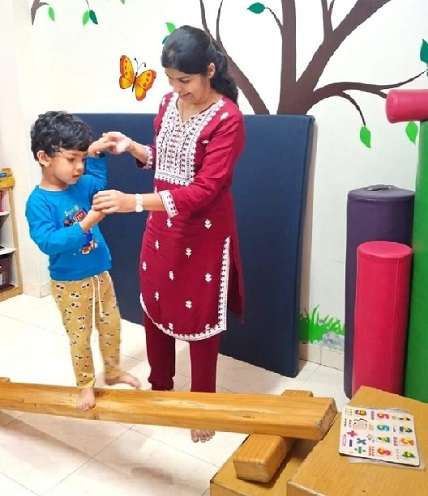
This therapy is particularly beneficial for individuals with sensory processing disorders (SPD), autism spectrum disorder (ASD), attention deficit hyperactivity disorder (ADHD), and other neurological conditions. It can help children and adults improve their ability to perform daily activities, enhance social interactions, and participate more fully in their communities.

Sensory Integration Therapy uses various therapeutic tools and activities to stimulate the senses and help the brain process sensory information more effectively. These activities can be physical, such as using trampolines or climbing walls, or mental, such as engaging in skill challenges. The goal is to develop new adaptive behaviors and responses, improve fine and gross motor planning, and encourage movement of the body.

This therapy is particularly beneficial for individuals with sensory processing disorders (SPD), autism spectrum disorder (ASD), attention deficit hyperactivity disorder (ADHD), and other neurological conditions. It can help children and adults improve their ability to perform daily activities, enhance social interactions, and participate more fully in their communities.

The Impact of Sensory Integration Therapy

Sensory Integration Therapy can lead to significant improvements in sensory processing, motor skills, and overall quality of life. By providing rich sensory experiences, the therapy helps the brain develop and change, leading to better functional outcomes.


Some of Our Treatment