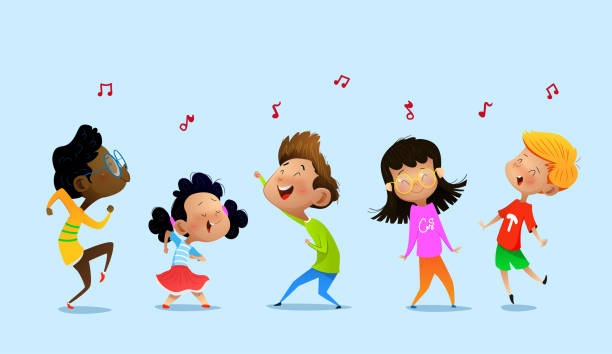
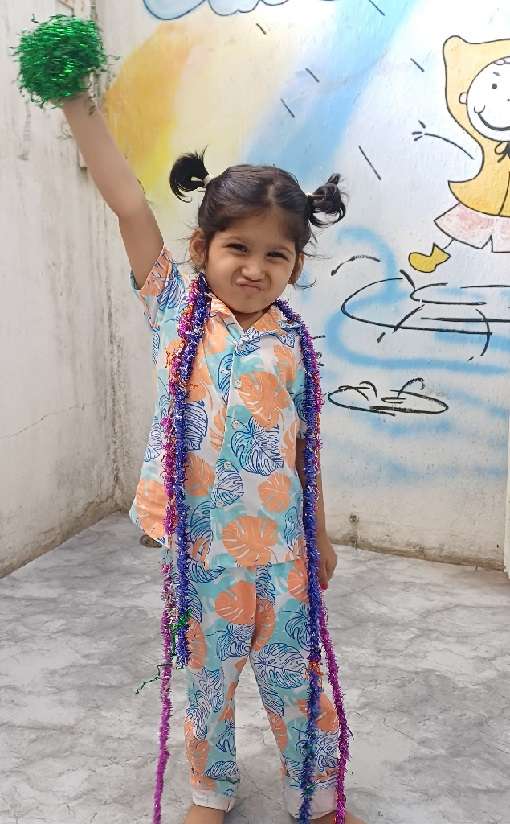
Dance therapy, also known as dance/movement therapy (DMT), is a wonderful form of psychotherapy that uses movement and dance to promote emotional, social, cognitive, and physical development in children. This therapy recognizes the powerful connection between mind, body, and spirit, offering a holistic approach to healing and growth.
Dance therapy is based on the understanding that movement is a form of nonverbal communication, and changes in the body can reflect changes in the mind. Through guided movement and dance, children can express themselves, process emotions, and enhance their overall well-being. Dance therapists observe and assess children’s movement to create personalized interventions that address their unique needs.
Dance therapy can offer numerous benefits for children, including:
Dance therapy helps children reduce feelings of anxiety and depression, providing a safe space for emotional expression.
It improves physical fitness, coordination, and balance, encouraging a healthy and active lifestyle.
Movement allows children to express emotions that they might find difficult to verbalize, helping them manage their feelings more effectively.
Dance therapy fosters better social interactions and helps children build relationships.
It can enhance children’s cognitive abilities, such as memory, attention, and problem-solving skills.

Including autism spectrum disorder (ASD) and attention deficit hyperactivity disorder

Such as anxiety, depression, and trauma.

Conditions that affect movement and coordination

Such as cerebral palsy and muscular dystrophy.
Dance therapy is suitable for children with various needs, including:
Parents interested in exploring dance therapy for their children can reach out to certified dance/movement therapists through organizations like the American Dance Therapy Association (ADTA). These professionals can provide guidance on starting a therapeutic journey tailored to the child’s needs.
WhatsApp us